Therapeutic Approaches in Langley
How I Help
CBT, DBT, EMDR and Solution-Focused Therapy in Langley
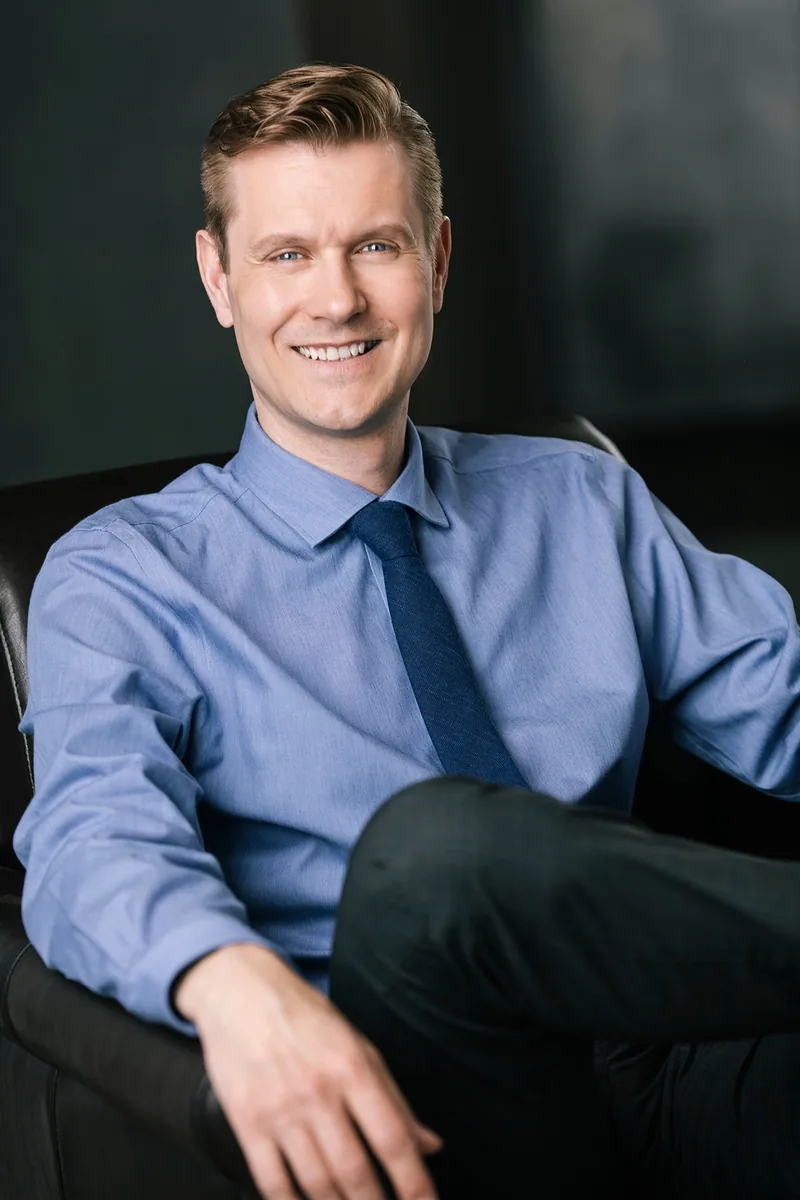
My Therapeutic Approach
A therapeutic approach, sometimes called a treatment modality, is a framework that guides how I approach counselling. I draw from several forms of therapy to create a counselling approach based on who you are, what you are experiencing and what you want to accomplish.
Each modality can be used on its own or in combination with others. Think of it like painting. An artist can work in watercolour or acrylic, or layer different materials together. Each medium behaves differently and requires different techniques, but the ability to be an artist exists independently of the type of paint being used.
Counselling works in much the same way. Understanding psychology taught me about how people think, feel and behave. Therapeutic modalities give me different approaches for applying those principles. Through education, practice and experience, I have learned how to use and combine these approaches depending on the person I am working with and what we are trying to accomplish.
Therapeutic Approaches I Use
I draw from several therapeutic approaches because there are different ways that problems develop, persist and change.
Cognitive Behavioural Therapy (CBT)
Cognitive Behavioural Therapy (CBT) is based on the idea that what you think, how you feel and what you do are connected. Something happens and you interpret what it means. That interpretation affects how you feel, how you feel influences what you do next, and what you do can reinforce what you thought in the first place.
Some thoughts happen so automatically that we no longer notice them happening. They are shaped by our experiences and the broader beliefs we develop about ourselves, other people and how the world works. Over time, those assumptions can become so familiar that they begin to feel like facts. CBT helps us recognize these repeating patterns, understand how they are operating in your life and identify where they can be changed.
The Cognitive Behavioural Cycle
Each part of the pattern can influence and reinforce the others.
Dialectical Behaviour Therapy (DBT)
Dialectical Behaviour Therapy (DBT) is a blend of behavioural therapy and practical skill building. It focuses on managing intense emotions, tolerating distress and responding more effectively to difficult situations. It begins with acceptance of who you are and recognition that you developed the ways of coping you have today from the experiences, resources and models available to you. Some of those strategies may have helped you through difficult moments and later developed into patterns that are creating problems.
Together, we identify the situations, emotions and patterns creating difficulty and develop skills you can use when those situations occur. DBT also makes room for ambiguity: you can love someone and hate something they have done. You can be angry with someone and grateful to them. You can accept yourself as you are while working toward change.
The goal is to increase your ability to tolerate distress, regulate emotions, communicate effectively and make deliberate choices even when what you are feeling is intense.
The Dialectical Balance
Both can be true at the same time.
Eye Movement Desensitization and Reprocessing (EMDR)
EMDR works with trauma and distressing experiences from the past that continue to affect you in the present. The model underlying EMDR views memories as part of larger networks of information, allowing experiences from the past to influence how you interpret what is happening today. When an experience is sufficiently distressing or overwhelming, the memory can remain vividly connected to the thoughts, emotions, physical sensations and perceptions that accompanied the original experience. A sound, smell, person, place or situation in the present can then activate those responses.
EMDR helps process and integrate that memory so new information and understanding can become connected to what you experienced then. The event itself does not change, but the network of information surrounding it can. The thoughts, emotions and physical sensations associated with the memory can become less intense. You can still remember what happened, but remembering it does not have to produce the same level of distress or exert the same influence over your life today.
How EMDR Supports Memory Integration
The memory is integrated with other information and experiences.
Solution-Focused Therapy
Solution-Focused Therapy is a future-oriented, goal-directed approach to counselling. This type of therapy asks you to imagine the future you want, with less of what is causing difficulty and more of what is working well in your life. From there, we create a vision of that future and begin planning how to move toward it. The approach places particular emphasis on the strengths, resources, abilities and experiences you already bring with you and how you can use them more deliberately.
Together, we look at the parts of your life that are already working and examine what makes them work. We can identify the skills you already possess, the ones you want to strengthen and the ones you may need to develop. We also look for progress in the individual moments along the way: what did you do that helped, what skills did you use, and what can you repeat? The underlying principle is simple: if something works, do more of it. If it doesn't, change it.
Moving Toward the Future You Want
Small, deliberate steps can create meaningful change.
Integrated Therapies
FOCUSED
TREATMENT
APPROACH
Tailored to your needs and goals
Counselling does not always fit neatly within the boundaries of a single therapeutic approach. Different parts of what you are experiencing may call for different kinds of work, and I can draw from several approaches as our work develops.
We might use EMDR to process an experience from the past that continues to affect you, CBT to examine a pattern of thinking or behaviour operating in your life today, DBT to develop skills for managing intense emotions or navigating a difficult relationship, and Solution-Focused Therapy to define what you want to create moving forward.
Integrating therapies allows us to use the ideas and tools that are most useful for the work in front of us while maintaining a coherent treatment plan. The modalities provide different ways of understanding and creating change. I use them in service of the person, the problem and the outcome we are working toward.
Finding the Approach That Fits
You do not need to know which type of therapy you need before coming to counselling.
The approach I use depends on you, what you are experiencing and what we are trying to accomplish together.
For some people, one therapeutic approach may provide a useful structure for much of our work. For others, I may draw from several approaches as different needs emerge. We might use EMDR to process an experience from the past, CBT to examine a pattern affecting you today and Solution-Focused Therapy to develop the skills and actions that move you toward what you want tomorrow.

What I Help With
I work with people experiencing anxiety, depression, trauma and injury, addiction and difficulties with anger, as well as people interested in personal development and growth.
Understanding what you are experiencing helps us decide where to begin, while your goals help determine where the work goes from there.
Who I Help
People come to counselling at different stages of life and for different reasons. I work with individuals, men, couples and people navigating separation or divorce and co-parenting.
The context matters because the same problem can look very different depending on the person experiencing it, the relationships around them and what they need counselling to help them accomplish.
What to Expect
You can expect respect, consideration and confidentiality. You can also expect me to be straightforward, curious and practical in my approach.
We will take the time to understand what is happening and use that understanding to determine what may help. Sometimes the work involves examining a thought or belief. Sometimes it means learning to tolerate a difficult feeling, developing a new skill, processing something from the past or changing something in your circumstances, relationships or routines.
My role is to understand the life in front of me and help you develop an approach that is clinically useful and practical enough to use outside the counselling room.
Counselling Online or in Walnut Grove
I work with clients in person from my office in Walnut Grove, virtually through secure video appointments, or by phone.
My office is calm, private and comfortable, giving you a place to step away from the demands of everyday life and focus on what brought you here.
Virtual and telephone appointments are available throughout British Columbia.
Frequently Asked Questions
No. You can come to counselling knowing what is happening in your life, what you would like to change or simply that something is not working as well as you would like. Part of my role is to determine which therapeutic approach may be useful as we begin to understand what you are experiencing.
I consider what you are experiencing, what you want to accomplish and how you respond to the work we are doing together. Different approaches give us different ways of understanding a problem and creating change. The approach should serve the work we are trying to accomplish.
Yes. I can draw from different therapeutic approaches as different needs emerge. We might use one approach for much of our work or integrate ideas and techniques from several approaches when that is useful.
The approach can change as the work changes. Something that is useful at one stage of counselling may become less relevant as you make progress or as our understanding of the problem develops. We can adjust the work as your needs and goals change.
Many aspects of these approaches can be used through virtual counselling. Whether a particular approach is appropriate online depends on what we are working on, your circumstances and the type of work involved. We can discuss the options available to you and determine what makes sense for your situation.
Your experience of counselling gives us useful information. We can talk about what is helping, what feels less useful and what needs to change. From there, we can adjust the approach, try something different or reconsider what we are working toward.
Ready to Take the Next Step?
You do not need to know which therapeutic approach is right for you before booking an appointment. We can start with what is happening, what you would like to change and where you would like to go from here.
You can book an appointment online through Jane or call me directly at 604-202-9887.