TRAUMA AND INJURY COUNSELLING IN LANGLEY, BC
Trauma & Injury Counselling in Langley
In-person trauma and injury counselling from my office in Walnut Grove, with virtual appointments available throughout British Columbia.
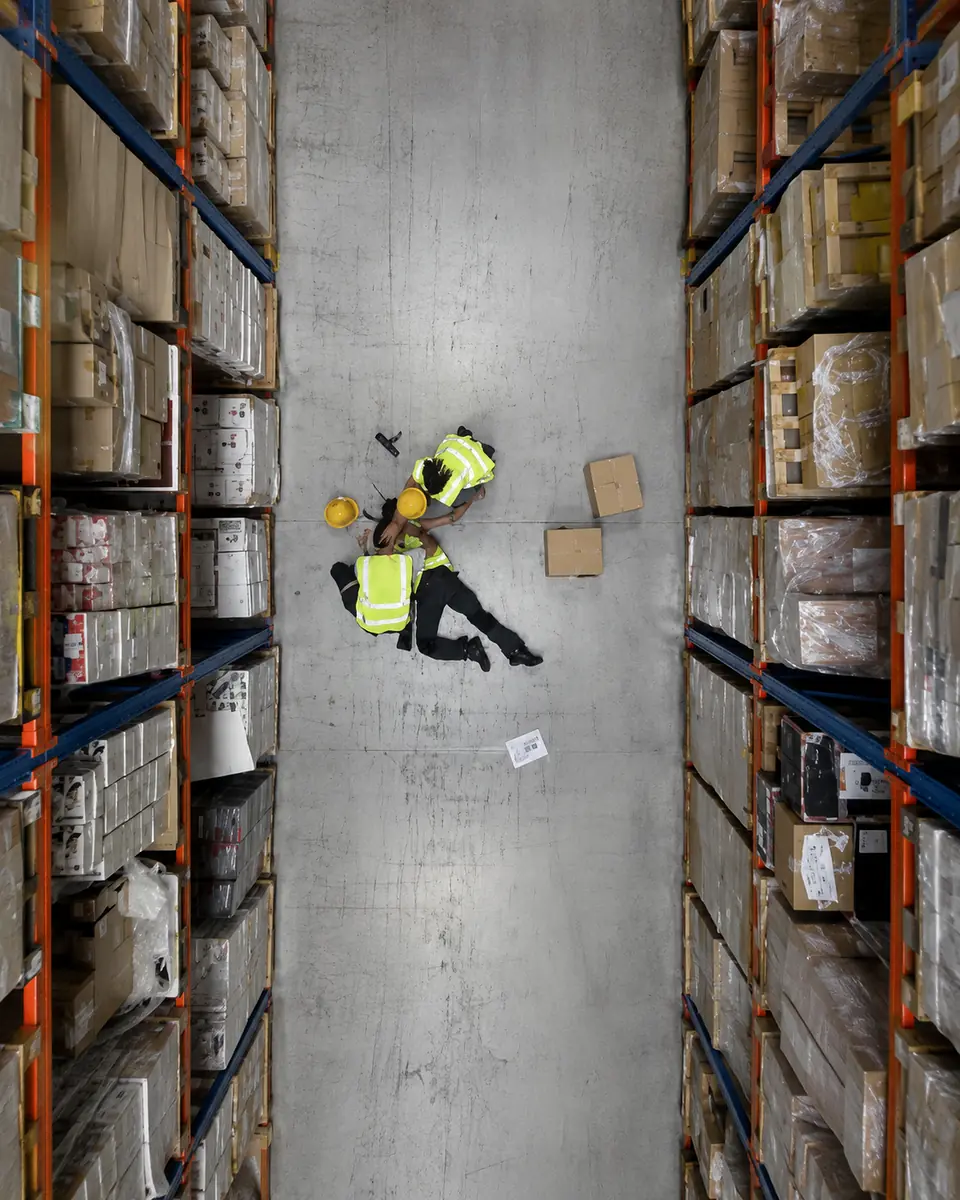
The Nature of Trauma and Injury
Trauma and injury can present in many ways. It may appear through a slow drip that accumulates over time, or it can arrive suddenly, all at once and in full force.
And trauma doesn’t discriminate; it appears randomly and without warning. You can be moving through the world completely normally one moment and, through an accident, an assault, an injury, a diagnosis or an unexpected event, find your life completely altered the next.
The event has no schedule. It may last seconds, minutes or hours. And no two people experience trauma in exactly the same way. Two people can live through the same event and carry something entirely different away from it. There is a loneliness in that. Others may know what happened but never how you experience it.
When the Past Doesn't Stay in the Past
Traumatic memories can behave differently.
Most memories gradually find their place in our history. We know what happened, and we can return to the memory when we choose, but we experience it as something that happened then rather than something happening now.
Traumatic experiences overwhelm the way memories are normally processed. Rather than becoming an ordinary part of the story of your life, aspects of the experience remain extraordinarily vivid. Images, sounds, smells, thoughts, emotions and even physical sensations can return with an intensity as though the event is happening all over again (Solomon & Heide, 2005).
A sound can bring it back. A smell. A location. A conversation. A particular movement or sensation. Sometimes the connection is obvious; sometimes it isn’t. Research has found that reminders associated with a traumatic event can trigger the memory, bringing back the fear and emotion with remarkable intensity (Solomon & Heide, 2005).
Your rational mind may know that you are standing safely in your kitchen, driving your car or sitting at work.; while part of you is responding as though the danger has returned.

The Science Behind Trauma
Trauma is not simply something you think about. Your body participates in it.

When your brain perceives danger, your nervous system responds rapidly. Your heart may race. Your muscles tense. Your breathing changes. Your attention narrows. Your body prepares to fight or flee and, when neither seems possible, you may freeze. These reactions are part of an extraordinarily useful survival system designed to help keep you alive when something threatens you (Solomon & Heide, 2005).
A reminder of the traumatic experience can produce a physical response before you have had much opportunity to think about what is happening. This can help explain experiences such as hypervigilance, exaggerated startle responses and the feeling of suddenly being overwhelmed by an emotional or physical reaction. In simple terms, the body’s alarm system can become sensitive, reacting to reminders of danger even when the original danger is no longer present (Solomon & Heide, 2005).
And the body was never designed to remain on high alert. This type of ongoing stress can disrupt the body’s normal state of balance that produces both immediate and longer-term physiological changes. These effects are not confined to the brain. Changes in the nervous and endocrine systems can have effects throughout the body, including the cardiovascular, respiratory and muscular systems (Solomon & Heide, 2005).
This creates one of the great contradictions of trauma: the danger can be over while your mind and body continue fighting on.
Trauma can leave the past with an uncomfortable amount of power over the present.
How I Help
Trauma treatment isn’t about reinventing the past, because what happened to you is real and it isn’t something you can just forget. What happened, happened. The work is about processing the experience so that the memory becomes less intrusive and the thoughts, emotions and physical reactions are less intense.
It is about hearing a loud sound without immediately jumping. Remembering what happened without feeling as though you have been transported back into it. Encountering a reminder without your body immediately preparing for danger.
The work is about converting what happened from present to past tense so it has less power over what is happening now.
We begin by understanding how the experience continues to affect you. What triggers a response? What happens in your thoughts? What happens in your body? What situations have you begun avoiding? What beliefs about yourself, other people or the world changed because of what happened?
From there, we form a treatment plan to address both the way you understand the experience and the emotional and physical responses that have become connected to it. This distinction matters because trauma is not exclusively in your memories. Research into trauma treatment shows that effective treatment needs to address the body’s responses alongside thoughts, beliefs and behaviours (Solomon & Heide, 2005).
Cognitive Behavioural Therapy (CBT)
CBT can help us examine how the traumatic experience has affected the way you think about yourself, other people and the world around you. We can identify triggers, understand the responses that follow them and examine beliefs or behaviours that may have developed in the aftermath of what happened. CBT can also help you develop strategies for managing difficult emotions, thoughts and physical sensations associated with the experience.
Eye Movement Desensitization and Reprocessing (EMDR)
EMDR approaches the problem differently. EMDR is specifically used in trauma treatment to help you access and process distressing memories while attending to the thoughts, emotions and physical sensations associated with them.
Dialectical Behaviour Therapy (DBT)
DBT offers practical skills for tolerating distress, regulating intense emotions and staying grounded when reminders of trauma arise. We can use these skills alongside other approaches when they fit your needs and readiness.
Experience Working With Trauma and Injury
I have extensive experience working with people recovering from workplace injuries and traumatic incidents, including individuals working in high-risk and first-responder occupations. This work has given me considerable experience helping people deal not only with what happened, but with what happens afterward: the anxiety, hypervigilance, avoidance and loss of confidence that can follow an injury or traumatic event, as well as the challenges involved in returning to work and ordinary life.
The objective is not to erase the trauma or pretend it didn't happen. It is to help move the experience from a source of present distress to a memory of something that happened in the past.
Types of Trauma
Trauma does not have to come from one particular kind of experience. What overwhelms one person may be very different from what overwhelms another, and traumatic stress can follow a single event or develop through repeated experiences over time.
I work with people dealing with the effects of experiences such as:
- accidents and serious injuries
- workplace incidents
- violence or assault
- abuse and neglect
- medical trauma
- sudden loss
- traumatic relationships
- repeated exposure to frightening or distressing events
- childhood experiences that continue to affect adult life
The circumstances matter because they help us understand what happened. But treatment is not determined simply by whether an experience fits neatly into a category. What matters is how the experience continues to live in your present life and what we can do to reduce its hold on you.

Trauma & Injury Counselling in Walnut Grove or Online
I work with clients in person from my office in Walnut Grove, virtually through secure video appointments, or by phone. Virtual and telephone appointments are available throughout British Columbia.
For some people, meeting in person provides a useful separation from the places and circumstances associated with what happened. For others, virtual counselling can make treatment more accessible, particularly when an injury, return-to-work schedule or other circumstances make travelling to appointments difficult.
Whichever format you choose, the work remains focused on understanding how the experience continues to affect you and helping reduce the amount of influence it has over your present life.
What to Expect
You can expect respect, consideration and confidentiality. You can also expect us to work at a pace that allows us to address what happened without overwhelming you in the process.
Our first session will focus on understanding what brought you to counselling, what happened, how it continues to affect you and what you would like to be different. We can look at symptoms you are experiencing, situations you avoid, changes you have noticed in yourself and the parts of everyday life that have become more difficult since the trauma or injury.
From there, we can develop a treatment plan based on your particular experience and goals. That may include learning strategies to manage difficult reactions in the present, examining thoughts or beliefs that developed after the experience, identifying and understanding triggers, or processing traumatic memories through approaches such as CBT or EMDR.
There is no expectation that you arrive ready to tell me everything. Trauma can be difficult to put into words, and sometimes the most distressing parts of an experience are the hardest to discuss. We can begin with what you are able to talk about and work from there.
The objective is not to force you to get over the past. It is to reduce the amount of the present that the past is allowed to occupy.
Frequently Asked Questions
You do not need to decide whether your experience was “bad enough” before coming to counselling. You only need to know if it affects you in way that you’d like changed.
You may be struggling with particular memories, anxiety, avoidance, changes in confidence, difficulty sleeping, emotional reactions or physical responses to reminders without meeting the criteria for PTSD. Counselling can focus on the difficulties you are actually experiencing rather than requiring your experience to fit neatly within a diagnosis.
We need enough information to understand what you are experiencing and develop an appropriate treatment plan, but treatment does not begin by forcing you to recount every detail of an experience before you are ready.
I have extensive experience working with people recovering from workplace injuries and traumatic incidents. Counselling can address the psychological effects of what happened alongside the practical challenges involved in returning to work and ordinary life.
If something from your past continues to intrude upon your present, it can still be addressed in counselling.
We can establish what you want from counselling, develop a treatment plan and assess your progress as we work. The length and pace of treatment can be adjusted according to your needs.
What I Help With
I work with people experiencing anxiety, depression, trauma and injury, addiction and difficulties with anger, as well as people interested in personal development and growth.
Understanding what you are experiencing helps us decide where to begin, while your goals help determine where the work goes from there.
Who I Help
People come to counselling at different stages of life and for different reasons. I work with individuals, men, couples and people navigating separation or divorce and co-parenting.
The context matters because the same problem can look very different depending on the person experiencing it, the relationships around them and what they need counselling to help them accomplish.
Moving the Past Into the Past
What happened to you is part of your history. It does not have to remain part of your present.
If an accident, injury or traumatic experience continues to intrude upon your thoughts, affect your body, change your behaviour or limit the way you live, we can begin by understanding what is happening and develop a treatment plan for moving forward.
You can book an appointment online through JaneApp or call me directly at 604-202-9887.
Reference
Solomon, E. P., & Heide, K. M. (2005). The biology of trauma: Implications for treatment. Journal of Interpersonal Violence, 20(1), 51–60. https://doi.org/10.1177/0886260504268119